



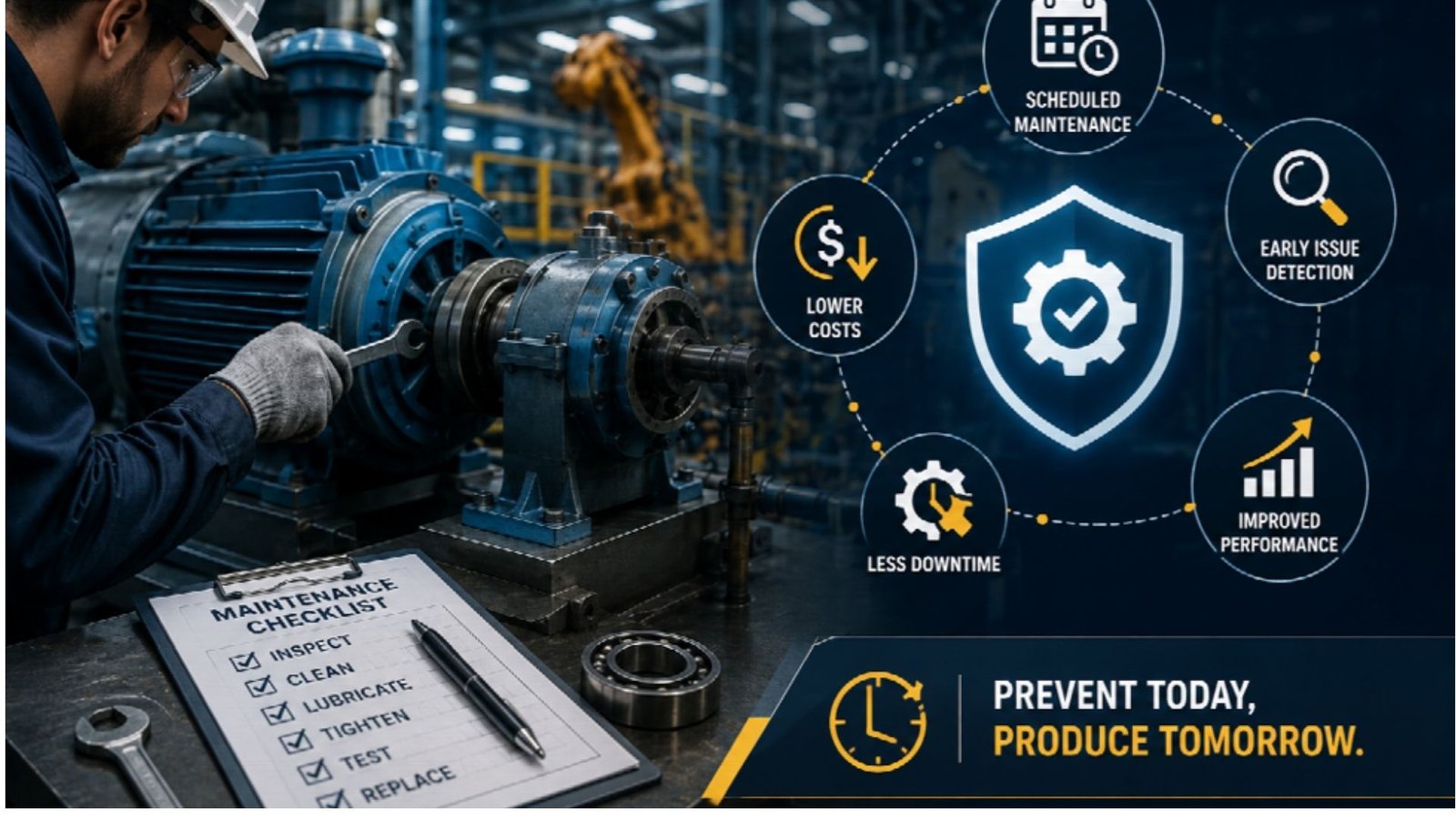
Unplanned downtime is one of the most expensive problems a manufacturing plant can face. A single failed component can halt an entire line, delay shipments, and cascade into missed production targets. Yet many plants still operate on a reactive maintenance model, fixing equipment only after it fails. Shifting to a preventive maintenance strategy changes that equation entirely, catching wear and performance issues before they turn into costly stoppages.
Why Reactive Maintenance Costs More Than It Seems
On the surface, reactive maintenance looks cheaper; nothing gets replaced until it actually breaks. But the real cost shows up in the disruption: emergency repairs, expedited part shipping, idle labor during downtime, and missed delivery windows. Preventive maintenance shifts that spending from unpredictable emergencies to planned, budgeted intervals, which is almost always cheaper in the long run and far easier to plan around.
Building a Maintenance Strategy Around Wear Patterns
Effective preventive maintenance starts with understanding exactly how and why components wear down in the first place. Generic maintenance schedules pulled from a manufacturer’s manual are a starting point, but the real gains come from tracking actual wear patterns specific to a plant’s equipment and processes.
A major factor in that wear is often the media running through processing equipment. Choosing the right industrial milling media for the application reduces unnecessary mechanical stress, which directly extends the interval between required maintenance checks.
Reducing Wear at the Source
Preventive maintenance isn’t only about scheduling inspections — it’s also about reducing the wear that makes those inspections necessary in the first place. Selecting properly matched grinding media for stock removal processes prevents equipment from working harder than the application requires, which lowers the frequency of component replacement across the line.
Protecting Finish Quality Without Overworking Equipment
Plants running finishing operations often see maintenance issues stem from media that’s mismatched to the required finish tolerance. Using the appropriate tumbling media keeps cycle stress predictable, which makes maintenance intervals far easier to forecast and plan around instead of reacting to inconsistent wear.
Monitoring Equipment Exposed to Chemical Processes
For plants running catalytic or reactive processes, preventive maintenance has to account for chemical exposure in addition to mechanical wear. Choosing the right catalyst bed material helps prevent the gradual degradation that’s easy to overlook during standard mechanical inspections but can lead to serious failures if left unaddressed.
Extending Maintenance Intervals With Better Materials
One of the most direct ways to reduce maintenance frequency is upgrading to more durable materials in high-cycle applications. Switching to stainless steel tumbling media in high-volume operations extends the time between required maintenance checks, cutting both labor costs and cumulative downtime over the course of a year.
Making Preventive Maintenance a Plant-Wide Standard
The plants that see the biggest reduction in downtime are the ones that treat preventive maintenance as a company-wide standard rather than an equipment-by-equipment afterthought. That means training staff to recognize early wear signs, tracking maintenance data over time to spot trends, and continually reassessing whether the materials and media running through equipment are still the right fit as production demands change. Downtime isn’t eliminated by working harder after something breaks it’s eliminated by building a plant that rarely lets things break in the first place.
